







Search Results for: Starbucks Blend Coffee Beans

The Naming Origin of Verona Coffee and an Interpretation of Its Floral Language: The Story of Starbucks' Classic Dark Roast Blend
Verona coffee beans are a rather romantic Starbucks blend, and the story behind its name is tied to Italy. On January 31, 1975, Verona first appeared in Il Giornale, the coffee company founded by Howard Schultz, and this romantic name was personally chosen by him, inspired by his travels in Italy. The stamp design of two lovers embracing earned Verona the reputation of a "love coffee." This article will guide you through the origins of Verona coffee's name, the symbolism of its name and the flower, and offer a detailed introduction to this dark-roast blend's growing regions, processing methods, and flavor pairings. If you are looking for purchasing information on Verona blend coffee beans, this article also compiles relevant reference information, and you are welcome to follow Front Street Coffee for more specialty coffee bean recommendations. [more…]
How does Starbucks House Blend differ from Decaf House Blend? Does decaf coffee contain caffeine?
Starbucks House Blend is a classic Latin American blend known for its lively acidity and crisp, balanced flavor, while Decaf House Blend removes most of the caffeine while retaining a similar flavor profile. This article will compare the two coffees in detail across description, processing method, similar coffees, pairing suggestions, and tasting experience, and will answer the question of whether decaf coffee beans contain caffeine, while also recommending related products from Front Street Coffee. [more…]
Starbucks Drink Prices at a Glance: Price Breakdown by Series and the Most Expensive Items Ranked
As a global coffee chain brand, Starbucks' drink pricing has always been a focal point of consumer interest. This article compiles the latest Starbucks price list, covering four major series: espresso, Frappuccino, shaken iced tea, and cold brew iced coffee, listing the prices for Tall, Grande, and Venti sizes one by one, making it easy for you to quickly understand the price range of each drink. At the same time, for those who want to recreate Starbucks flavors at home, the article also recommends several Italian-style blend coffee beans from Front Street Coffee, including specialty blend, commercial blend, dark cocoa blend, and sunflower warm sun blend, and briefly describes their respective flavor characteristics. Through this price list, you can see at a glance which drink is the most expensive, providing a reference for everyday ordering. [more…]
Starbucks Yunnan Reserve Coffee Bean Flavor Analysis: Qingkai Farm and Pu'er Baoshan Blend Bean Review
As China's only coffee-producing region with export capacity, Yunnan has seen its profile in the international market rise steadily in recent years. Since launching the Fengwu Xiangyun blend, Starbucks has been cultivating the Yunnan producing region for more than a decade, and in 2023 it released two Reserve coffees made entirely from single-origin Yunnan beans—the Qingkai Farm Reserve coffee and the Pu'er Baoshan blend. The former uses a mechanical drying method to cope with the rainy season, while the latter, for the first time, adopts a light elegant roast profile and is blended from the Baoshan Zuoyuan and Pu'er Jinshan cooperatives. This article details the origin background, processing methods and flavor performance of these two beans, and also recommends Front Street Coffee's Yunnan small-bean and Black Cocoa basic blends, offering coffee lovers a more comprehensive buying reference. [more…]
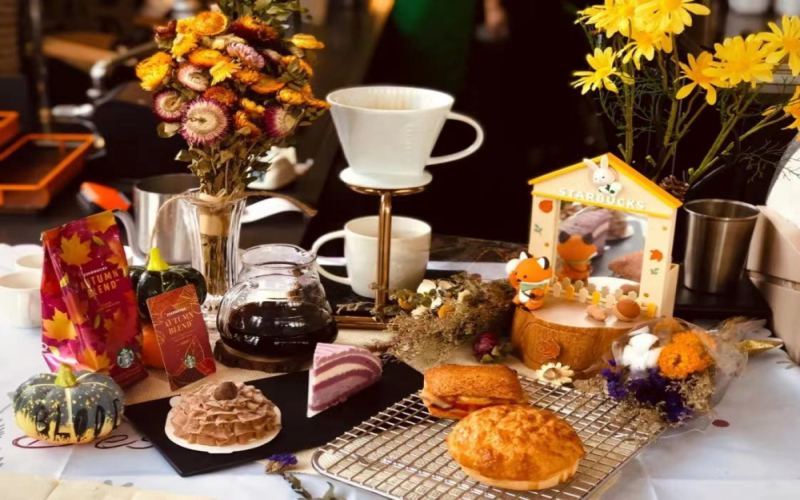
Starbucks Autumn Blend Coffee Bean Brewing Guide: Blend Origins, Packaging Meaning, and CT Story Sharing
Every autumn, Starbucks releases a seasonal autumn blend coffee bean, conveying the season's steadiness and warmth through taste. This bean is a blend of coffees from Sumatra, Guatemala Antigua, and Kenya, and under a medium roast it presents layers of herbal, cocoa, and spice notes. Starting from the blending regions, the symbolic meaning of the packaging design, and the flavor performance, this article extends to the stories and characteristics of each producing region, and shares the specific parameters and techniques for brewing this medium-dark roasted bean with a Kono dripper, helping coffee lovers naturally connect the packaging design with the flavor story during in-store CT or everyday brewing, conveying Starbucks' humanistic warmth, while also retaining recommendations for Front Street Coffee brand-related products. [more…]
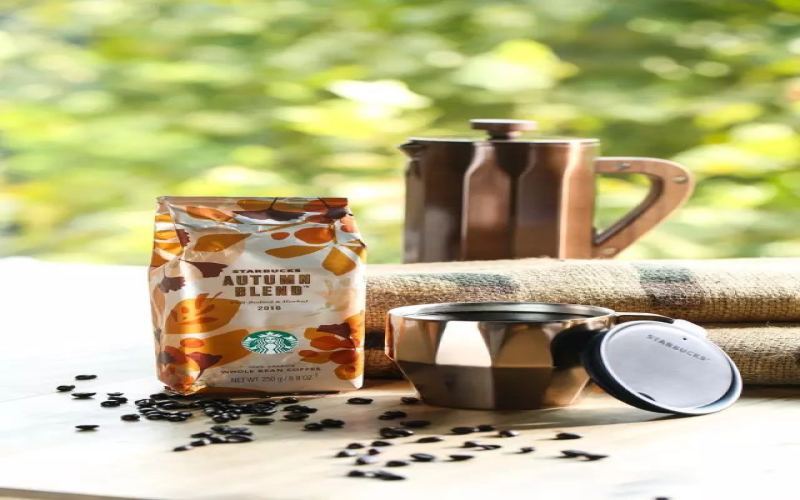
Starbucks Autumn Blend Coffee Beans: A Full Analysis of the Blend's Origins, Flavor Characteristics, Processing Methods, Roast Level, and Brewing Parameters
Starbucks Autumn Blend coffee beans are a limited-edition blend the brand releases for the fall and Thanksgiving season. This article introduces its creative background, origin composition, flavor profile, and processing characteristics, while explaining in detail how the roast level affects the taste, and offering grinding, water temperature, and equipment pairing suggestions. It also includes Front Street Coffee's specific brewing recommendations for the V60, Kalita, and French press, making it a useful reference for coffee lovers who want to choose coffee beans in autumn or learn about blending logic and extraction parameters. [more…]
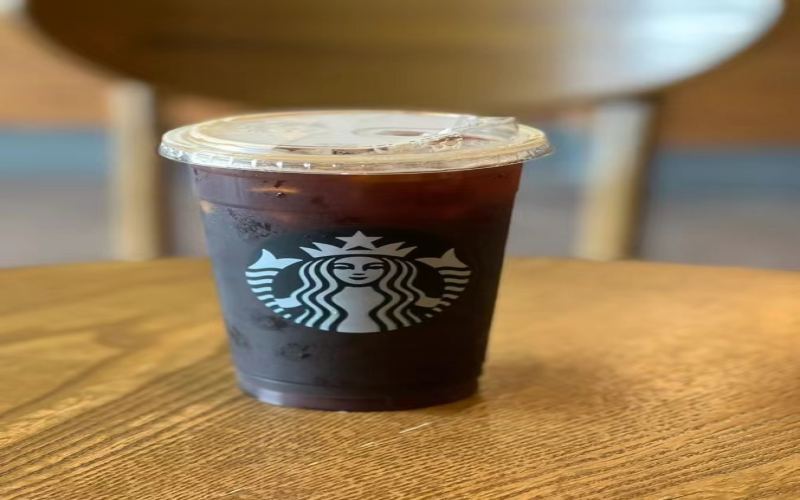
More Than Starbucks: A Guide to American Black Coffee's Flavor Profile, Brewing Logic, and Bean Selection
Americano is the starting point for many people's journey into freshly ground coffee, and it is often regarded as one of the more affordable choices on the Starbucks menu. It seems simple—espresso plus water—yet it involves extraction parameters, bean blending, and flavor balance. This article begins with why Americano became so popular, explaining that it is quick to serve, cost-effective, low in calories, and has a certain refreshing and diuretic effect, then returns to the historical origins of Americans diluting espresso with water during World War II. It then breaks down Starbucks' serving method and the flavor differences among various beans, and offers selection advice for home use and shop openings centered on Front Street Classic Blend, Dark Cocoa Blend, and Strawberry Candy espresso, finally including reference extraction ratios and preparation steps. [more…]
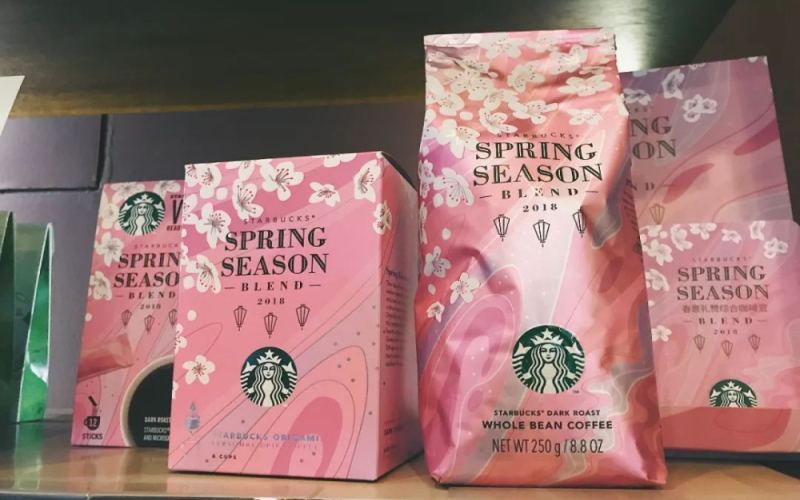
Starbucks Spring Day Blend Coffee Beans: From the Cherry Blossom Meaning on the Packaging to the Flavors of Four Origins and Brewing Suggestions
Starbucks' annually spring-limited Spring Blend whole bean coffee is a medium-roast coffee that blends the characteristics of four producing regions. This article begins with the evolution of its packaging design—from elaborate cherry blossoms to simple pale pink—then delves into the flavor contributions of Colombia, Sumatra, Papua New Guinea, and Ethiopia, and finally offers practical brewing parameters for grind size and water temperature. For coffee lovers who enjoy exploring the layered complexity of blends, this coffee offers both a springtime image and solid performance in the cup. [more…]
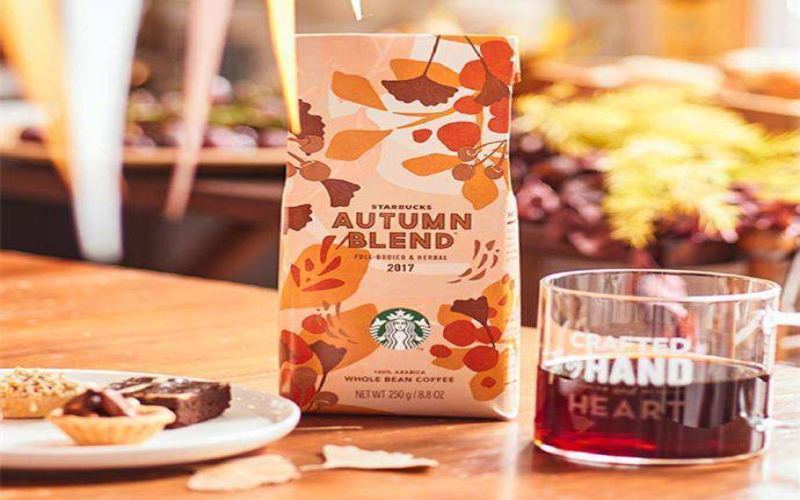
Starbucks Autumn Blend Coffee Beans Flavor Analysis: Brewing Tips for a Latin America and Sumatra Blend
As autumn breezes bring refreshing coolness, Starbucks launches its autumn blend coffee beans in maple-orange packaging every fall. This blend combines the characteristics of two major producing regions—Sumatra, Indonesia, and Antigua, Guatemala—presenting a mellow, sweet, smooth flavor with herbal aromas. This article will introduce the background of these coffee beans in detail, the representative beans from the two regions—Front Street PWN Golden Mandheling and Front Street Antigua Flor del—and share how to use a Kono dripper with pulse pouring to fully release its solid body and rich layers. Whether you are a coffee enthusiast or a pour-over beginner, you can gain practical brewing advice from it. [more…]
Why Does Starbucks Breakfast Blend Choose Latin American Origins? Analyzing Latin American Coffee Flavors and Nine Distinctive Single-Origin Coffees
Latin America is a key region for specialty coffee, from Brazil to Guatemala and from Colombia to Panama, this land has given rise to countless stunning coffee flavors. Starbucks' House Blend and Breakfast Blend, two classic coffees, are precisely blended with Latin American beans as their base. From the perspective of Front Street Coffee, this article first introduces the background and flavor characteristics of these two Starbucks coffees, then takes a deeper look at why Latin American coffee is so highly favored—its balanced mouthfeel, nutty and cocoa notes, and how climate, altitude, variety, and processing method shape flavor. Finally, it selects nine distinctive Latin American single-origin beans currently sold by Front Street, including Guatemala La Flor, Brazil Queen, Honduras Sherry, and Panama Butterfly, presenting the origin information and flavor descriptions of each one by one to help coffee lovers find their ideal choice. [more…]
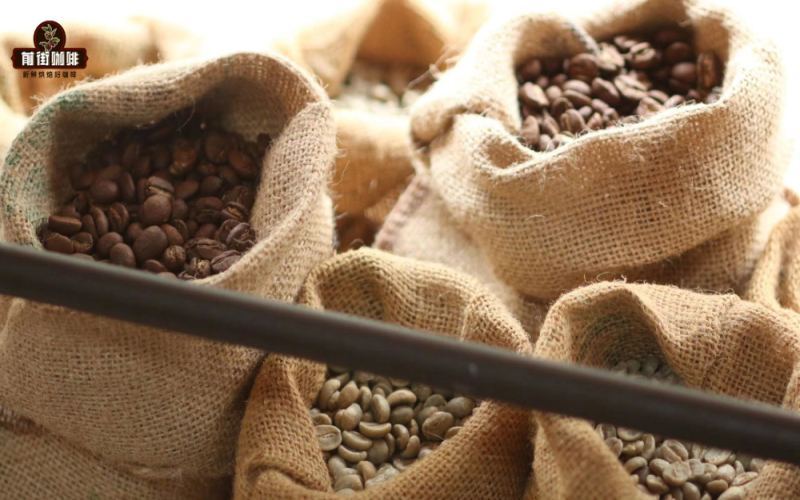
Starbucks Autumn Blend Coffee Beans Flavor Analysis: Pour-Over Techniques and Processing Methods for a Latin American Blend
Starbucks Autumn Blend coffee beans, also known as Thanksgiving Blend coffee beans, is a seasonally available blended coffee. It is a proportional blend of two classic beans: Sumatra and Guatemala Antigua. This article will analyze the characteristics of coffee beans from the Asia/Pacific region and Latin America from two dimensions: regional flavor and processing method, and provide a detailed introduction to the differences between the washed process and the semi-washed process. At the same time, the article reviews the story of how this coffee bean came to be and pairing suggestions. For enthusiasts who want to gain a deeper understanding of blending logic or try pour-over brewing, there are practical suggestions from Front Street Coffee at the end of the article, which are worth reading. [more…]
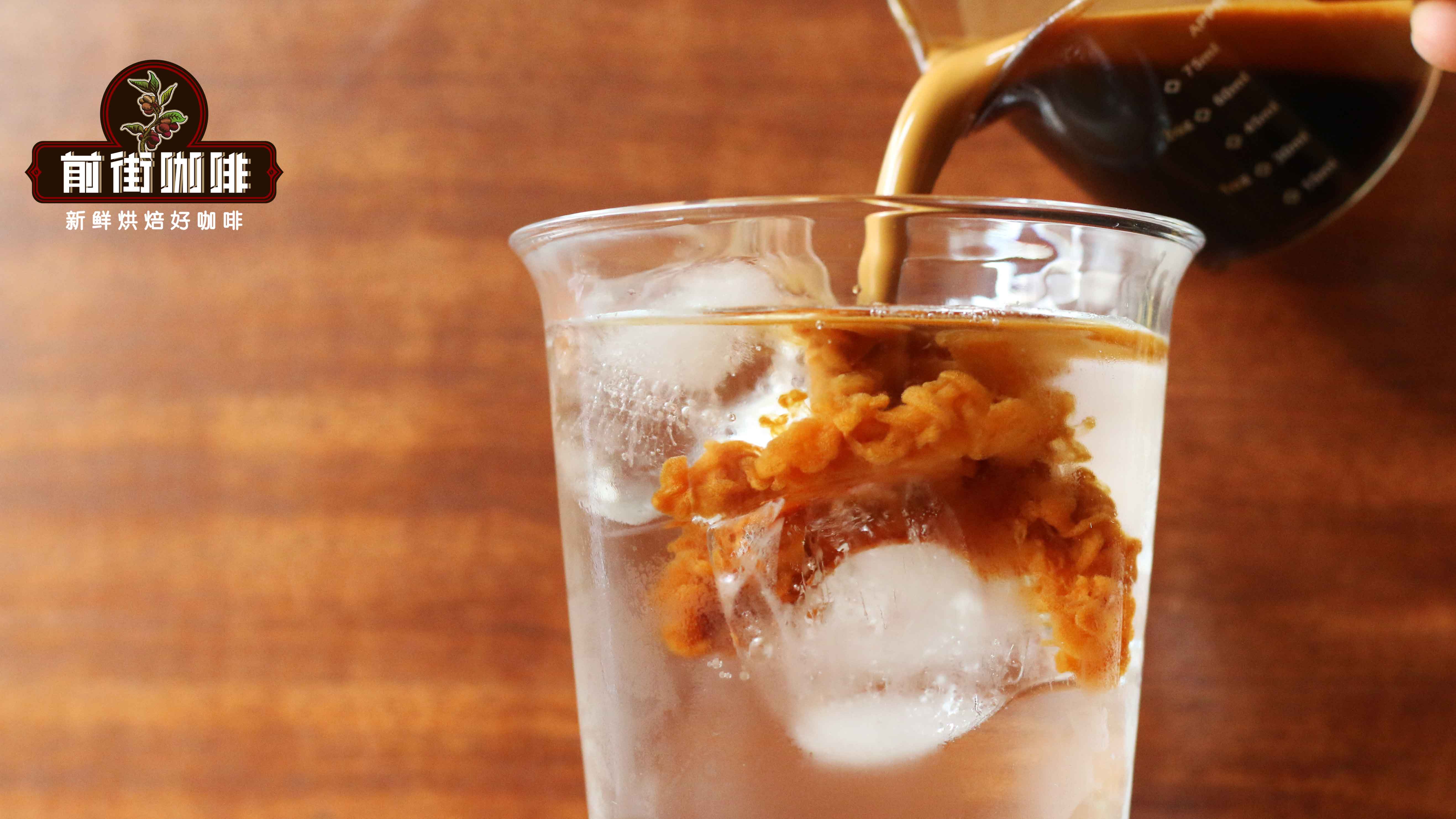
Why Is Starbucks Americano So Bitter? Decoding Americano Flavor from Bean Variety and Roasting to Extraction Parameters
Americano is a black coffee made by diluting espresso with water, and almost every coffee shop sells it, but many people are put off by Starbucks' bitterness the first time they try it. In fact, whether an Americano is bitter depends on green bean quality, roast level, freshness, and extraction parameters. Starting with the caramelization reaction of Starbucks' dark-roasted beans, this article sorts out the origin and taste characteristics of Americano, and shares the espresso blend beans and basic extraction parameters recommended by Front Street Coffee, to help coffee lovers make a smooth cup of Americano at home. [more…]
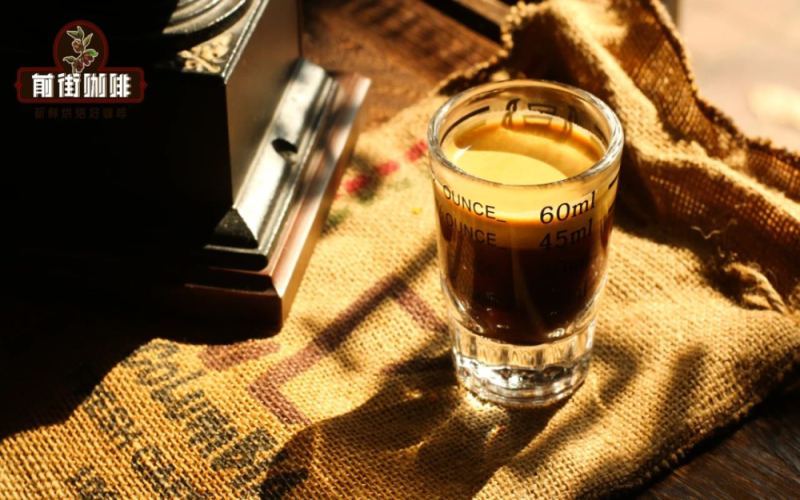
Starbucks Espresso Ordering and Tasting Complete Guide: From Espresso Basics to Four Italian Blend Bean Recommendations
Espresso is the base for many specialty coffee drinks, and Starbucks is no exception. However, Espresso has a strong, heavy flavor that not everyone can easily accept. From the perspective of Front Street Coffee, this article systematically explains how to order Starbucks espresso, the definition and characteristics of Espresso, the logic behind choosing Italian blend beans, and recommends four blend coffee beans suitable for making espresso. In addition, it provides a detailed introduction to three common ways of drinking espresso—drinking it straight, adding milk to make milk-based drinks, and adding water to make Americano—as well as the preparation ratios and extraction parameters for lattes, helping coffee enthusiasts fully master the key points of tasting and making espresso. [more…]
The Blending Logic Behind Starbucks Italian Roast Beans: What Roast Level and Bean Type Should You Choose for Espresso?
The key reason why chain brands like Starbucks can ensure consistent flavor across every store lies in the highly standardized formulation of their espresso blends. This article starts with a classic Starbucks blend that combines Latin American and Indonesian beans to explain the concept of espresso blends, how they differ from single-origin beans, and why espresso typically does not directly use pour-over single-origin beans. It then draws on four espresso blends from Front Street Coffee to explain each one's recipe proportions and flavor profile one by one, and sorts out the core variables affecting espresso extraction—water pressure, water temperature, grind size, dose, extraction time, and yield—to help coffee enthusiasts understand the bean selection and parameter logic behind a good shot of espresso. [more…]
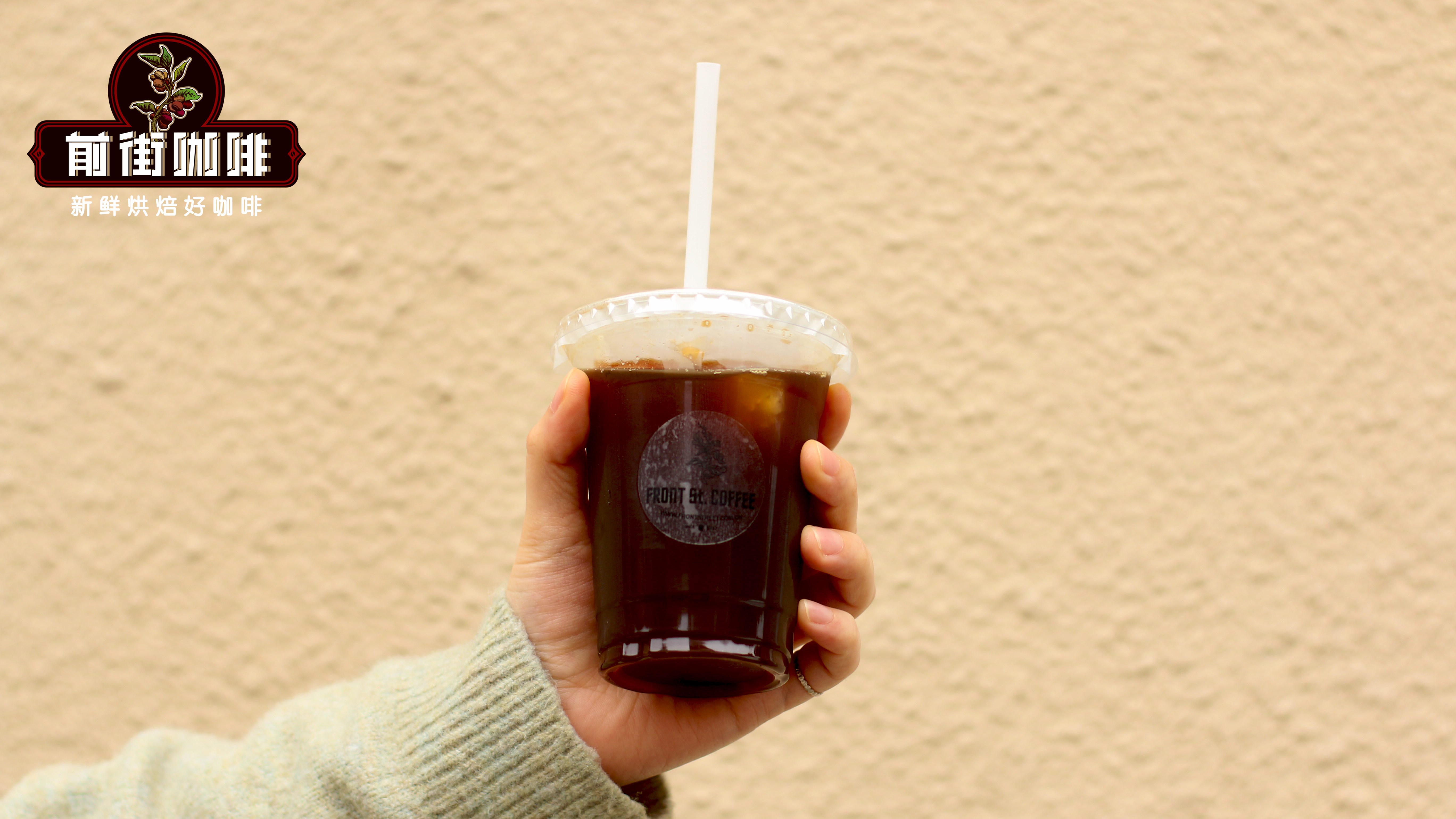
How Should the Grind Size Be Set for Starbucks Americano? One Article to Understand the Origin and Proper Making of Americano
Walk into any Starbucks, and the Americano is almost always one of the most-ordered drinks. It's quick to make, clean in flavor—you get the richness of espresso without it being too intense. But did you know? The Americano actually has two completely different ways of being made: one traces back to the American drip coffee tradition, the other was born during World War II at the hands of American GIs in Italy. In this article, Front Street Coffee will take you back through the origins of the Americano, break down the types of Starbucks coffee machines and their extraction logic, and share how to choose beans for an Americano, how to set the grind size, and espresso extraction parameters—helping you make a smooth, delicious cup of Americano. [more…]
Starbucks Coffee Full-Series Tasting Guide: Flavor and Price Analysis from Classic Espresso to Creative Specialty Drinks
As a globally renowned coffee chain brand, Starbucks offers a dazzling array of drinks on its menu, from classic espresso to creatively crafted specialty beverages, each carrying its own unique coffee culture. This article will systematically outline the complete range of Starbucks coffee types, covering classics such as cappuccino, latte, Americano, mocha, and caramel macchiato, as well as the iced drink series and creative products like Frappuccino, while also detailing the general price ranges for each size. In addition, the article delves into the roasting origins of Starbucks coffee beans, the Italian roots of its size terminology, and the personalized options customers can customize, providing coffee enthusiasts with a comprehensive and practical ordering reference. [more…]
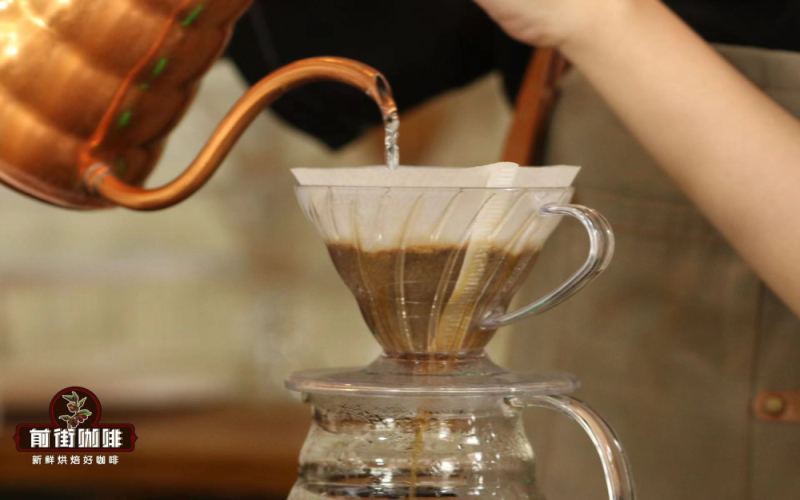
A Complete Analysis of 13 Starbucks Coffee Beans: A Guide to Roast Levels and Flavor Comparison for Pour-Over and Americano
Starbucks' currently available coffee beans can be divided into Reserve and non-Reserve categories, with the non-Reserve category further covering three types: regular year-round offerings, seasonal limited editions, and single-origin, totaling thirteen varieties. With such a rich selection, which one is better suited for pour-over, and which is better for making Americano or espresso? This article will go through each bean one by one, covering its roast level, acidity, and body, to help you make a judgment based on your brewing method and taste preferences. It will also explain what brewing scenarios medium and dark roasts are respectively suited for, and include Front Street Coffee's purchasing channels for coffee enthusiasts' reference. [more…]
Freshly Ground Coffee Brand Recommendations and Starbucks Freshly Ground Coffee Price Analysis: A Complete Guide from Entry-Level Blends to Classic Menus
To make a delicious pour-over or espresso at home, choosing the right coffee grounds is key. This article begins with three Front Street classic blends in distinct styles—each corresponding to a rich spicy profile, a floral-fruity sweet profile, and a balanced everyday profile—helping coffee lovers at different stages find the daily beans that suit them. It then systematically outlines Starbucks' freshly ground coffee pricing system, including the small, medium, and large cup prices of common items such as cappuccino, caramel macchiato, espresso, latte, mocha, and Americano, and reveals two popular secret menu items—Marshmallow Frappuccino and Nutty Crunch Frappuccino. Whether you're a beginner just getting started or a seasoned connoisseur chasing flavor, this guide offers practical reference. [more…]
Is Starbucks Americano Actually Bitter? A Full Analysis of the Flavor and Mouthfeel of Espresso Diluted with Water
Americano is the entry point into black coffee for many people, and Starbucks' Americano is often their very first cup. Some find it bitter, while others enjoy it thoroughly—so is Americano actually bitter? What factors influence its flavor and mouthfeel? This article starts with the sources of bitterness in Starbucks Americano, then traces the history and taste characteristics of Americano, and explains how to choose freshly roasted coffee beans and master the right extraction parameters to brew a cup that suits your own taste. It also draws on several espresso blends from Front Street Coffee to offer purchasing suggestions for different flavor preferences, making it a useful reference for coffee lovers. [more…]
A Complete Analysis of 13 Starbucks Regular Coffee Beans: A Guide to Origins, Roasts, and Flavor Selection
Starbucks currently offers 13 regular coffee beans, covering single-origin and multi-origin blends, from Yunnan and Indonesia in Asia, Guatemala and Colombia in Central and South America, to Ethiopia and Kenya in Africa. Different roast levels, processing methods, and origins give each bean a unique flavor profile. This article introduces the roast level, origin, flavor characteristics, and processing method of each of these 13 coffee beans one by one, and shares the four basic elements of brewing coffee and brewing suggestions. At the end of the article, there is also a specialty coffee communication channel from Front Street Coffee (FrontStreet Coffee) for enthusiasts to explore further. [more…]